In a competitive real estate market, preparation can make or break a listing. As a real estate professional, your ability to guide sellers through the pre-listing process directly impacts how quickly a home sells — and at what price point.
From a lending perspective, well-prepared homes attract more buyers, and they help transactions move more smoothly through underwriting, appraisal, and closing. When a home shows well and is priced right, it creates confidence on both sides of the transaction.
Below is a comprehensive home sale preparation checklist you can use to help your sellers position their property for maximum appeal and a faster, smoother sale.

1. Start with a Pre-Listing Walkthrough
Before anything goes live, set expectations with your seller. A detailed pre-listing walkthrough helps you identify potential red flags early and present the home in the best possible light.
During the walkthrough, focus on both cosmetic and functional issues. Even minor repairs can influence a buyer’s perception of how well the home has been maintained.
Encourage your sellers to:
- Address visible maintenance issues (leaky faucets, cracked tiles, squeaky doors, or faulty door handles or knobs)
- Replace burnt-out light bulbs
- Touch up scuffed paint and baseboards
- Ensure all systems (HVAC, plumbing, appliances) are in working order
- Gather receipts or warranties for major appliances or updates (roof, HVAC, etc.)
Why it matters: Homes that feel well-cared-for reduce buyer hesitation and can prevent issues during inspection that might otherwise delay financing or lead to renegotiations.
2. Declutter and Depersonalize
One of the most important steps in preparing a home is creating a space where buyers can mentally “move in.” That’s difficult to do when rooms feel crowded or overly personalized.
As the Realtor, setting clear expectations with your seller about decluttering early in the process can save time. This step often requires a bit of coaching, but it has a major impact on both photos and showings.
Recommend that sellers:
- Remove excess furniture to make spaces feel larger and more open
- Clear countertops in kitchens and bathrooms
- Pack away personal photos and highly specific décor
- Organize and clean closets and storage spaces (buyers will absolutely look)
Why it matters: Clean, neutral spaces photograph better, show better, and appeal to a wider pool of buyers — leading to stronger offers.
3. Deep Clean Every Surface
A clean home doesn’t just look better… it feels better. Buyers often equate cleanliness with overall home maintenance, which can influence how they perceive value.
Encourage sellers to go beyond standard cleaning and invest in a professional, deep clean before listing. This is especially important in high-impact areas like kitchens and bathrooms.
Focus on:
- Floors and carpets (consider professional service providers if needed)
- Windows to maximize natural light
- Kitchens and bathrooms, including grout, fixtures, baseboards, and appliances
- Eliminating odors from pets, smoke, or cooking
Why it matters: Clean homes create stronger first impressions, both online and in person, and help buyers feel confident about moving forward.
4. Boost Curb Appeal
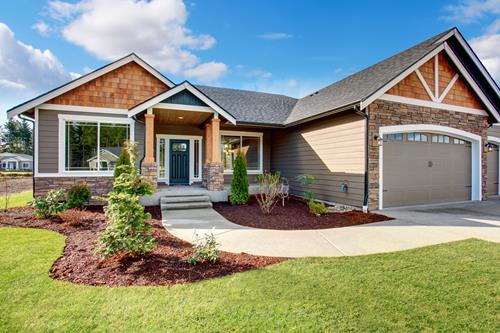
First impressions happen before a buyer even walks through the front door. In many cases, they happen online — and the exterior photos determine whether someone schedules a showing.
As an agent, helping your seller invest a little time and effort into curb appeal can significantly increase interest and foot traffic.
Simple improvements include:
- Fresh mulch, flowers, or light landscaping updates
- A neatly mowed lawn and trimmed hedges
- Power washing siding, walkways, and driveways
- Painting or refreshing the front door
- Updating house numbers and exterior lighting
Why it matters: Strong curb appeal sets the tone for the entire showing and helps create an emotional connection before buyers even step inside.
5. Stage for Maximum Impact
Staging is one of the most effective ways to help a listing stand out — without requiring major renovations. Whether professionally staged or thoughtfully arranged using the seller’s existing furniture, the goal is to highlight the home’s strengths and create a welcoming atmosphere.
Work with your sellers to focus on key living spaces where buyers tend to spend the most time and form their strongest impressions.
Key staging strategies include:
- Repainting boldly colored walls in neutral tones
- Rearranging furniture to improve flow and functionality
- Adding neutral décor like pillows, throws, and simple artwork
- Highlighting focal points such as fireplaces or large windows
- Using lighting to create a warm, inviting environment
- Adding a few simple plants or even a fresh bouquet in the kitchen
Why it matters: Well-staged homes not only show better, but they also photograph better and can help justify a stronger asking price.
6. Invest in Professional Photography
In today’s digital-first home search environment, your listing photos are your first “showing.” High-quality visuals are no longer optional — they’re essential for the home sale process.
Once the home is fully prepped, scheduling professional photography ensures that all the hard work translates into strong online engagement.
Make sure:
- The home is completely ready before the shoot (clean, staged, and decluttered)
- Lighting is optimized by opening blinds and turning on lights
- Both interior and exterior shots are captured at their best angles; if possible, take exterior photos at the best time of year (avoid shots of a snow-covered yard if you’re in a four-season climate, for instance)
Why it matters: Listings with professional photos attract more clicks, more showings, and ultimately more competitive offers.
7. Price It Strategically
Even the most beautifully prepared home can struggle on the market if it’s not priced correctly. Pricing is both an art and a science, and it plays a major role in how quickly a home gains traction in the market.
You can guide your sellers using data, but you should also help them understand buyer psychology and current market dynamics.
Work with your sellers to:
- Analyze recent comparable sales
- Evaluate active competition
- Factor in current market conditions and demand
- Price strategically to generate early interest
Why it matters: Homes priced appropriately tend to sell faster and often with fewer concessions or price reductions.
8. Prepare for a Smooth Financing Process
A well-prepared home is only one part of a successful transaction; the buyer’s financing is also critical. As a real estate professional, aligning with a strong lending partner helps ensure that deals move efficiently from contract to closing.
If your seller’s next step is buying a home, encouraging buyer readiness early can help prevent common delays and keep transactions on track.
To support a smooth process:
- Encourage buyers to get fully pre-approved (not just pre-qualified) or — better yet — secure a fully credit-underwritten pre-approval, such as Platinum Credit Approval
- Set clear expectations around timelines and documentation
- Partner with a responsive lender who communicates proactively
Why it matters: Clean, well-structured deals with qualified buyers reduce fallout risk and create a better experience for everyone involved.
Final Thoughts: Preparation Drives Results
The difference between a listing that lingers and one that sells quickly often comes down to preparation. By guiding your sellers through these steps, you’re not just improving presentation; you’re also increasing the chances that this will be a smoother, more profitable transaction.
As a mortgage partner, Waterstone Mortgage is here to ensure that the financing process is just as seamless. Together, we can create better experiences and more successful outcomes for our clients.